Expert Residential Electrician for Protected and Efficient Solutions
A skilled home electrician plays an essential role in maintaining the security and optimal performance of electrical systems in homes. These specialists are qualified to manage installations, repairs, and upgrades, ensuring compliance with security requirements and regional regulations. Typical problems, like flickering lights or defective wiring, frequently need professional service. Comprehending the scope of their work raises significant considerations about security, dependability, and sustained condition of a residence's power system. What should homeowners think about before engaging?
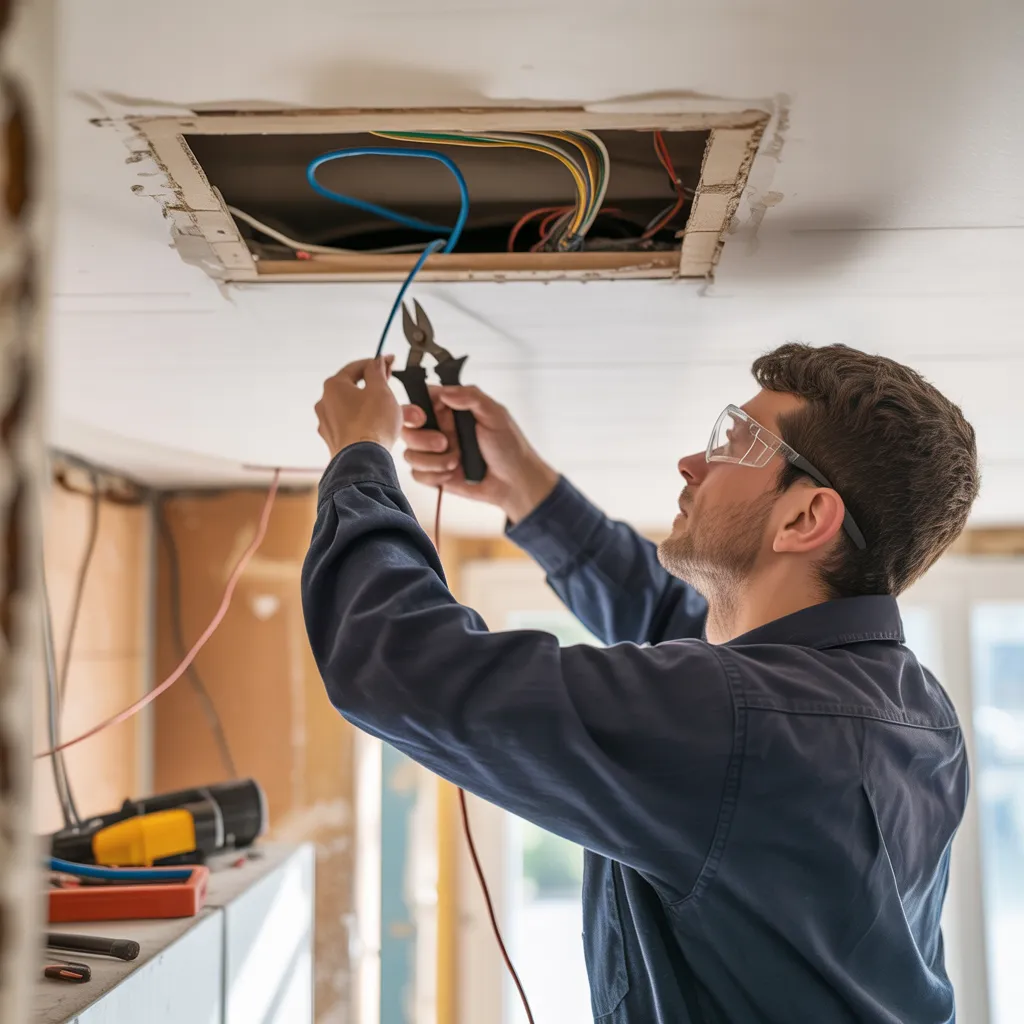
What Precisely Does a Household Electrical Expert Actually?
A residential electrician specializes in the installation, maintenance, and repair of electrical systems within homes. Their primary responsibilities include wiring, circuit installation, and the setup of lighting fixtures. They also diagnose electrical issues, guaranteeing that systems operate efficiently and safely.
Together with these tasks, residential electricians perform routine inspections to detect potential hazards and validate compliance with relevant codes. They regularly refurbish existing systems to facilitate new appliances or technology, thereby strengthening a home's functionality.
Additionally, they extend valuable consultation services, instructing homeowners toward energy-efficient solutions and advanced electrical systems. A residential electrician furthermore works alongside other contractors throughout renovations or new constructions, guaranteeing that electrical work fits together seamlessly with other components of the project. By employing professional-grade equipment and maintaining compliance with industry standards, they constitute an essential role in sustaining a safe and reliable electrical environment in residential settings.
Safety Standards in Electrical Work: Important Details for Homeowners
What methods can property owners use to guarantee their electrical systems remain safe and up to code? Understanding safety guidelines is important. Power regulations, including the National Electrical Code (NEC), provide a standard for secure setups and practices. Homeowners must confirm their installations meet these standards to decrease hazards of fire incidents and shocks.
Regular reviews by a licensed electrician can help identify potential hazards. Electricians are versed to maintain local regulations and enforce safety measures. Homeowners should also be informed of proper capacity thresholds to eliminate overload, which can produce overheating.
Moreover, adopting compliant supplies and components is critical for protecting security. Homeowners must concentrate on the installation of GFCI outlets in wet areas and verify smoke detectors are active. By staying knowledgeable and proactive about electrical safety standards, homeowners can substantially limit risks and secure a safe household environment.
Common Electrical Issues and How Professionals Solve Them
Homeowners typically deal with various wiring problems that can pose risks to safety and functionality. Typical issues feature flickering lights, circuit breaker trips, and outlets that fail to work. These problems can stem from old-fashioned electrical systems, overloaded circuits, or faulty appliances.
Electrical surges are another common issue that can harm gadgets and equipment. GFCIs (Ground fault circuit interrupters) may also fail, producing dangers in moist spaces like kitchens and bathrooms.
Technicians determine these problems by performing extensive inspections, inspecting wiring quality, and analyzing the demand on circuits. They apply cutting-edge tools to uncover concealed defects and confirm adherence with regulatory standards.
How to Address Frequent Electrical Issues With Expert Assistance
Electrical problems frequently require professional electrician knowledge to address. Lights that flicker, circuit breakers that trip frequently, and outlet malfunctions are typical problems that can signal underlying electrical faults. A qualified electrician guarantees these issues are diagnosed accurately and resolved safely.
Flickering Lights Solutions delivering trusted remedies
Flickering lights can interrupt the ease of find the information any home, signaling potential electrical issues that demand immediate attention. This typical problem often reveals loose connections, faulty switches, or inadequate wattage. Homeowners should first check if the flickering happens with certain bulbs or throughout the entire house. If it is isolated, swapping the bulb may solve the issue. However, persistent flickering requires consultation with a professional residential electrician, who can accurately diagnose and rectify underlying problems. A qualified electrician will inspect wiring, measure circuit loads, and guarantee all connections are secure. Addressing flickering lights promptly not only returns peace but also boosts safety, preventing likely hazards like electrical fires. Professional intervention provides peace of mind and long-term solutions.
What Triggers Your Circuit Breaker to Trip
Understanding these problems is essential; engaging a professional residential electrician to diagnose and resolve these problems guarantees safety and efficiency in the home's electrical system.
Outlet Complication Troubleshooting
Comprehending the possible complications linked to circuit breakers naturally underscores the necessity of troubleshooting outlet malfunctions. Outlet malfunctions can present as flickering lights, non-operational devices, or strange noises coming from the outlet itself. These symptoms usually indicate underlying electrical problems that demand professional evaluation. A qualified electrician will begin by checking the circuit for overloads, loose connections, or damaged wiring. They may also assess proper grounding and voltage levels to confirm safety. Timely addressing of these malfunctions is essential, as neglect can escalate to more severe hazards, including electrical fires. By trusting a professional, homeowners can be confident that their electrical systems work efficiently and safely, protecting both their property and peace of mind.
Why Employ an Professional for Electrical Improvements?
Upgrading electrical systems can greatly enhance a home's safety and efficiency, making expert assistance essential. Homeowners often underestimate the intricacies of electrical upgrades, which can lead to costly mistakes or hazardous situations. Professional electricians possess the necessary training and experience to comply with local codes and regulations, ensuring that upgrades are compliant and safe.
Also, professionals can evaluate a home's specific electrical needs, suggesting tailored options that improve performance and energy efficiency. They are equipped with the proper tools and know-how to handle likely complications, such as outdated wiring or limited load capacity. This expertise not only minimizes risks but also strengthens the service life and trustworthiness of the power supply.
In the end, engaging a skilled electrical professional for improvements not only safeguards a home but also gives peace of mind, realizing that the work is correctly and efficiently executed, thereby increasing the investment in the property.
Preparing for Your Electrical Evaluation?
During an electrical inspection, property owners should anticipate a comprehensive assessment based on a standard guide that emphasizes key components of their setup. Inspectors will assess adherence to safety standards to guarantee the power configuration is both efficient and secure. Knowing what to expect assists property owners get ready for a productive inspection appointment.
Common Inspection Checklist Items
A rigorous electrical inspection regularly involves several vital inspection tasks that pledge safety and compliance with regulations. Assessors routinely proceed by studying the power panel for fitting grounding and dependable connections. They check wiring for any signs of wear, breakage, or unsuitable installation. Circuit breakers and fuses are assessed to substantiate they are functioning correctly and competently rated for the system load. Besides, outlets and control switches are surveyed to reaffirm they are grounded and free from defects. Smoke sensing devices and carbon monoxide detectors are also checked for proper operation. Finally, the inspector appraises any customizations or additions to the electrical system to ascertain they adhere to jurisdiction codes and criteria, securing the overall safety of the home's electrical infrastructure.
Safety Standards Compliance Overview
Following a thorough inspection process, understanding compliance with electrical safety is vital for homeowners. Compliance with electrical safety guidelines ensures that system installations comply with both national and local requirements, minimizing dangers stemming from electrical dangers. Property owners can expect the electrician to inspect correct grounding, circuit quality, and the application of certified components. Furthermore, adherence to the National Electrical Code (NEC) is critical, as it defines the minimum safety requirements for electrical systems. During inspections, electrical experts will assess the functionality of smoke alarms and carbon monoxide alarms, confirming they work properly. By focusing on safety guidelines, property owners not just preserve their property but furthermore protect the health of their families. Ultimately, compliance establishes confidence in electrical services and supports ongoing safety.
How to Select the Right Electrician for Your Home
Selecting the right electrical professional for your residence can feel challenging—what factors should one evaluate? First, verifying credentials is essential. A certified electrical technician shows that they have satisfied the required training and standards. Homeowners should also check for insurance, as this protects against possible risks during the job.
Experience constitutes another primary factor; consultants with a solid track record are often more experienced at coping with various issues. Perusing reviews and sourcing referrals can present knowledge into their accountability and performance of work.
Additionally, acquiring multiple quotes allows homeowners compare costs and offerings, ensuring they receive a fair deal. Communication skills are equally important; an electrician must describe problems and remedies in a straightforward manner.
Finally, determining their knowledge with local regulations and requirements can prevent future complications. By thoughtfully weighing these elements, homeowners can reach a well-reasoned decision, ultimately ensuring security and effectiveness in their electrical work.
Often Asked Questions
How Much Does It Cost to Employ a Residential Electrician?
A residential electrician's hourly rate generally ranges from $50 to $100 per hour, determined by your region and the difficulty involved in the project. Ancillary charges might accrue for components and urgent calls, affecting your final cost.
How much time Does an Electrical Project generally require?
An electrical job typically takes a few hours to several days, depending on its complexity and scope. Simple repairs may need little time, while major installations or renovation work can prolong the duration considerably.
What Qualifications Should I Consider in an Electrician?
When pursuing an electrical professional, one should concentrate on skills such as appropriate certifications, insurance, pertinent background, and positive customer reviews. Additionally, credentials in niche expertise can boost their credibility and guarantee excellent work.
Can You Find Urgent Electrical Services?
Emergency electrical assistance are indeed accessible. Many electricians offer 24/7 support for urgent problems, ensuring quick response times and solutions to return safety and operation. Homeowners should confirm availability and turnaround before emergencies occur.
Can I Complete Electrical Work Myself Within Legal Bounds?
In many jurisdictions, residents are able to legally handle electrical work on their own properties, but regulations shift. It's critical to look into local codes and safety standards to validate compliance and circumvent potential hazards or fines.